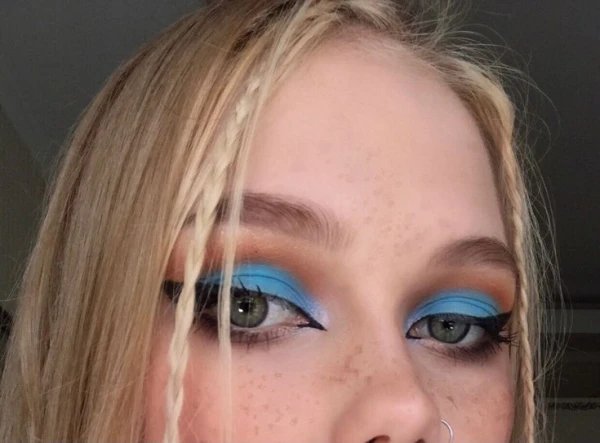
The global cosmetics market is experiencing strong and steady growth as consumers increasingly prioritize personal grooming, skincare, and self-care routines. According to Renub Research, the cosmetics industry is expected to expand from
US$ 402.45 billion in 2025 to US$ 592.44 billion by 2034, growing at a CAGR of 4.39% from 2025 to 2033. Rising disposable incomes, urbanization, digital influence, and growing awareness around beauty and wellness are driving demand across skincare, haircare, makeup, and personal care categories. Innovation, premiumization, and the expansion of both offline and online retail channels are also making cosmetic products more accessible worldwide.
Cosmetics today are no longer limited to occasional use. They have become part of everyday life for millions of consumers across different age groups and regions. Products ranging from moisturizers and cleansers to lipsticks, shampoos, deodorants, and fragrances are now essential elements of modern grooming routines. Consumers are not only purchasing beauty products to improve appearance but also to maintain skin health, protect against environmental damage, and boost confidence.
The industry’s rapid growth is also being shaped by changing social behavior. Beauty bloggers, influencers, celebrities, and social media platforms are continuously influencing consumer purchasing decisions and accelerating product trends across global markets.
Download Free Sample Report
One of the biggest growth drivers in the cosmetics market is the rising awareness of personal grooming and self-care. Consumers are becoming increasingly conscious of their appearance, skincare routines, and overall well-being. Cosmetics are no longer considered luxury products for special occasions; they are now daily essentials for many individuals.
Environmental concerns such as pollution, UV exposure, and premature aging are encouraging consumers to invest more heavily in skincare products like moisturizers, anti-aging creams, serums, and sunscreens. As people focus more on maintaining healthy skin and youthful appearances, demand for specialized beauty and skincare products continues to grow steadily.
Consumer spending patterns also reflect the resilience of the beauty industry. According to the 2024 Health & Beauty Survey referenced in the report, nearly 89% of consumers said they were spending the same amount or more on beauty and personal care products compared to the previous year. Additionally, 94% of consumers expected to maintain or increase spending in the following year, highlighting the category’s stability even during inflationary conditions.
Social media has become one of the most powerful forces shaping the cosmetics industry. Platforms such as Instagram, TikTok, and YouTube allow beauty influencers and creators to showcase tutorials, product reviews, skincare routines, and makeup transformations to millions of users worldwide.
This digital ecosystem has accelerated the launch and popularity of new beauty trends. Viral skincare routines, makeup tutorials, and influencer recommendations often translate directly into product sales. Consumers increasingly rely on online reviews, influencer endorsements, and user-generated content before making purchasing decisions.
Social media has also made it easier for emerging brands to reach global audiences without depending entirely on traditional advertising channels. Smaller beauty companies can now compete with established multinational brands through strategic digital marketing and influencer partnerships. For example, in February 2023, Dolce Glow partnered with singer Miley Cyrus to strengthen brand visibility and expand market reach.
Innovation remains central to the cosmetics industry’s growth story. Companies continue developing products with advanced features such as anti-aging benefits, moisturizing technology, sun protection, and skin repair capabilities. Consumers increasingly seek high-performance products that combine beauty enhancement with skincare functionality.
Premium beauty products are gaining significant popularity as consumers show greater willingness to invest in high-quality formulations and trusted brands. Organic, natural, chemical-free, and eco-friendly products are particularly in demand as health and environmental awareness continue to rise globally. Companies are also focusing on plant-based ingredients, dermatologically tested products, and sustainable packaging solutions.
Technological advancements are enabling greater customization as well. Brands are now developing products tailored to specific skin tones, skin conditions, and personal preferences. Customized beauty solutions and scientifically backed skincare are becoming increasingly important in attracting modern consumers.
Innovation in acne-focused skincare also reflects this trend. In September 2025, Bausch Health’s European dermatology business introduced YUN Probiotherapy ACN, a new line of probiotic and prebiotic skincare products targeting acne-prone skin. This launch highlighted growing interest in microbiome-friendly and natural skincare solutions.
Despite strong growth prospects, the cosmetics industry faces several challenges. Regulatory compliance remains one of the biggest hurdles because cosmetic products must meet strict standards related to ingredients, manufacturing, packaging, and safety testing.
Governments and regulatory agencies across multiple countries continue to increase scrutiny around product safety and ingredient transparency. Companies are required to conduct extensive testing before launching new products, which increases development costs and extends product launch timelines. Failure to comply with regulations can result in recalls, lawsuits, and reputational damage.
Consumers are also becoming more aware of potential risks associated with harmful chemicals, allergens, and side effects. Negative publicity related to safety concerns can quickly affect consumer trust and brand reputation. As a result, companies must invest heavily in research, compliance, and quality assurance while maintaining competitive pricing.
The global cosmetics industry is highly competitive, with international, regional, and local brands all competing for market share. Established beauty companies now face pressure not only from multinational competitors but also from emerging digital-first beauty brands that connect directly with consumers through social media and e-commerce platforms.
Consumers today have access to a huge range of beauty products and alternatives, making brand loyalty harder to maintain. Competition is especially intense in the mass-market category, where price sensitivity often affects profit margins. Counterfeit and low-quality products also continue to pose risks to brand trust and customer confidence.
To remain competitive, cosmetic companies are focusing heavily on branding, product differentiation, sustainability, and innovation. Marketing investments, influencer partnerships, and digital campaigns have become critical tools in attracting and retaining customers.
The skin and sun care segment is one of the largest and fastest-growing categories within the global cosmetics industry. Consumers are increasingly adopting daily skincare routines that include moisturizers, serums, sunscreens, anti-aging creams, and cleansers.
Growing exposure to pollution, UV radiation, and climate-related skin concerns is encouraging consumers to invest more heavily in protective skincare solutions. Sunscreen products are gaining popularity because of increased awareness about skin cancer prevention and premature aging caused by sun exposure.
Demand for natural, organic, and dermatologist-tested skincare products is also increasing. Social media influencers, dermatologists, and beauty experts continue to promote skincare education, further accelerating product adoption worldwide.
The makeup and color cosmetics market remains another major contributor to industry growth. Products such as foundation, lipstick, mascara, blush, eyeshadow, and nail polish continue to attract strong consumer demand.
Consumers increasingly use makeup products as part of their daily routines rather than reserving them for special occasions. The availability of products designed for different skin tones, skin types, and preferences has significantly expanded the global customer base. Waterproof, long-lasting, and skin-friendly formulations are also becoming more popular.
Organic and premium makeup categories are gaining traction among consumers seeking healthier and higher-quality beauty products. At the same time, improved retail infrastructure and online shopping platforms are making cosmetic products easier to access across global markets.
E-commerce has become one of the fastest-growing channels in the cosmetics industry. Online shopping allows consumers to browse products, compare prices, read reviews, and make purchases from home. Digital platforms also provide access to both domestic and international beauty brands, expanding product choices significantly.
Online beauty retailers are increasingly using subscription models, personalized recommendations, influencer marketing, and social media integration to improve customer engagement. Detailed product descriptions, tutorials, and customer reviews also help consumers make informed purchasing decisions.
As younger generations become more comfortable with digital shopping, online cosmetics sales are expected to remain one of the most important growth areas in the industry. Improvements in logistics and delivery systems are further strengthening this trend.
The United States remains one of the world’s largest and most advanced cosmetics markets. Strong consumer spending, constant innovation, and the presence of leading beauty brands continue to support market leadership. Consumers in the U.S. place strong emphasis on skincare, grooming, and beauty products, ensuring steady demand across multiple categories.
Demand for natural, organic, cruelty-free, and sustainable beauty products is also growing rapidly in the United States. Online beauty shopping continues to expand, while personalized skincare and technology-driven beauty solutions are becoming more popular.
In January 2023, Maybelline New York introduced Fit Me Fresh Tint foundation, a multifunctional product that combines skincare and makeup with vitamin C and SPF 50 protection. This launch reflects the growing popularity of hybrid beauty products designed for everyday use.
India’s cosmetics market is growing rapidly because of urbanization, rising disposable incomes, and increasing beauty awareness among younger consumers. Demand for skincare, haircare, makeup, and herbal beauty products continues to expand strongly across the country.
The popularity of Ayurvedic and natural cosmetic products is also contributing to market growth. In August 2025, Fenty Beauty entered the Indian market through a partnership with Reliance Retail, highlighting the country’s growing importance in the global beauty industry.
Meanwhile, Saudi Arabia’s cosmetics market is expanding due to rising beauty awareness, increasing disposable incomes, and strong demand for premium and halal-certified cosmetic products. Social media influence, urbanization, and expanding retail infrastructure are supporting continued market development across the region.
The cosmetics industry includes some of the world’s largest beauty and personal care companies. Major players covered in the report include Coty Inc., Procter & Gamble, The Estée Lauder Companies Inc., Colgate-Palmolive Company, Johnson & Johnson Services Inc., Revlon Inc., Beiersdorf Group, Kao Corporation, LVMH, and Mary Kay Inc.
These companies continue investing in product innovation, sustainability initiatives, influencer marketing, premium product development, and digital retail expansion to maintain strong positions in the global market.
The global cosmetics market continues to evolve as beauty, wellness, self-care, and digital engagement become increasingly connected. Consumers are seeking products that not only improve appearance but also support skin health, sustainability, and personal identity. Social media influence, product innovation, and premium beauty trends are reshaping the industry faster than ever before.
With the market projected to grow from US$ 402.45 billion in 2025 to US$ 592.44 billion by 2034, the cosmetics industry is expected to remain one of the most resilient and dynamic sectors in the global consumer economy. Brands that successfully combine innovation, trust, sustainability, and digital engagement are likely to lead the next phase of global market expansion.
How does it work?
There are no comments for this story
Be the first to respond and start the conversation.
More stories from
Anju Kumari and writers in Trader and other communities.
The global agriculture industry is evolving rapidly as farmers and food producers seek higher productivity, climate resilience, and better crop quality. Among horticultural crops, tomatoes continue to hold a critical position because of their widespread use in fresh consumption, processed foods, and food-service applications. As global demand for tomatoes grows steadily, the tomato seeds market is emerging as a major area of investment and innovation.
By
about 2 hours ago in
Trader
How many of you use a profit calculator for position sizing? If the answer is not often, you’re not alone. Many traders still rely on instinct, rough estimates, or quick mental math before entering a trade. It feels faster in the moment, but small guessing errors can quietly hurt consistency. A profit calculator brings clarity by showing position size, risk, potential profit, and worst case loss before you trade.
By Sophie5 days ago in Trader
Australia Green Hydrogen Market Overview The Australia green hydrogen market is emerging as one of the country’s fastest-growing clean energy sectors, focusing on hydrogen production using renewable energy sources such as solar and wind power through electrolysis processes. Green hydrogen is expected to play a critical role in industrial decarbonization, energy storage, export markets, and the transition toward net-zero emissions.
By Amyra Singhabout 8 hours ago in Trader
The first time Chloe Walker woke up to the strange wet, pulsing cough, the ceiling was sputtering. She watched it seize above her as though somehow, someway trying to catch its own breath—or maybe it was trying to catch hers? The longer she stared, the more she realized it wasn’t just moving, it was breathing with her. Slowly expanding in the dark, the veins in the mopped texture filling and releasing whatever oxygen was left in the air, a pair of plaster lungs hidden beneath the rough façade keeping pace with her own muted breaths.
By K.H. Obergfoll6 days ago in Horror
© 2026
Creatd, Inc. All Rights Reserved.